
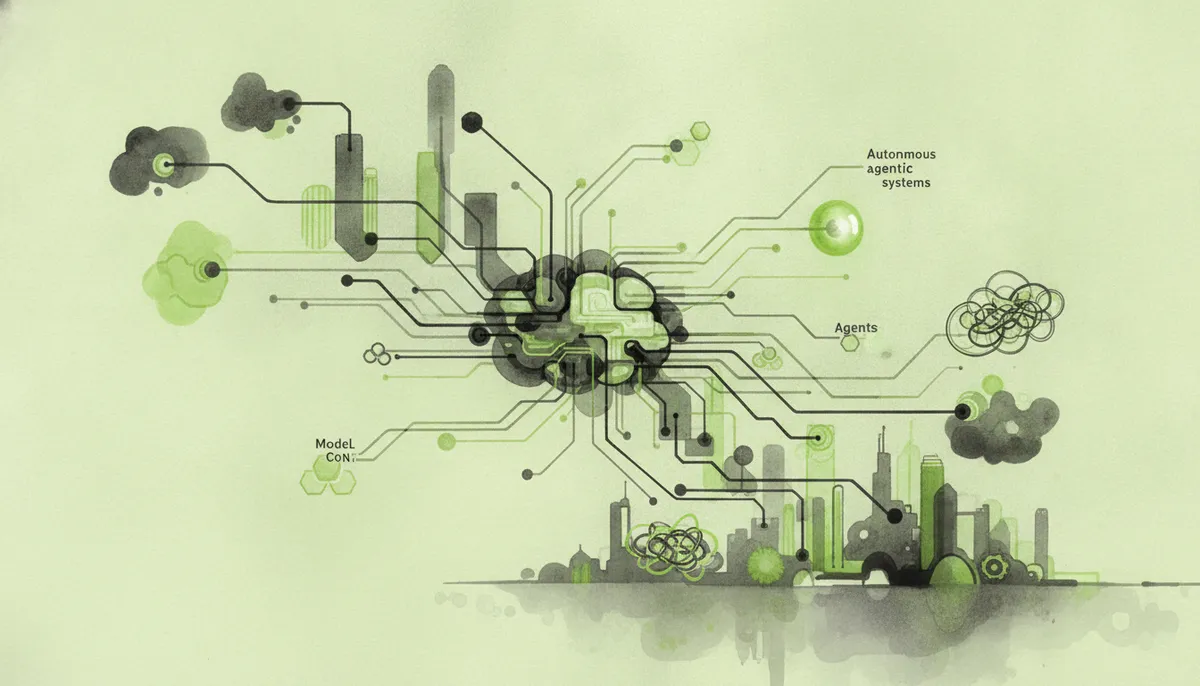
An ai consultancy project in 2026 is a targeted, end-to-end strategic engineering initiative that integrates autonomous agentic systems, Model Context Protocol (MCP) pipelines, and growth marketing automation into modern enterprise software stacks. By combining tailored LLM orchestration with full-stack development, a structured AI consulting engagement enables B2B SaaS founders to achieve rapid CAC reduction and scalable operational efficiency.
- Key Takeaways
- Introduction
- Key Takeaways: What Defines a High-ROI AI Consultancy Project in 2026
- 7 Proven AI Consultancy Project Frameworks and Real-World Applications
- Framework 1: Agentic AI Outreach & Email Deliverability Automation
- Framework 2: Custom LLM & Full-Stack AI Platform Development
- Framework 3: Enterprise AI Business Consulting Services & Workflow Optimization
- Framework 4: Retrieval-Augmented Generation (RAG) Knowledge Engines
- Framework 5: In-App AI Agents for SaaS User Onboarding
- Framework 6: Multi-Channel Programmatic Content Systems
- Framework 7: Predictive Churn Analysis & Retention Automation
- Global Benchmarks: AI ML Consulting Services Across Regional Hubs
- Lifecycle of an Enterprise AI Consultancy Project: Step-by-Step
- Comparing Engagement Models for an AI Consultancy Project
- Frequently Asked Questions
- What is included in a typical AI consultancy project for B2B SaaS?
- How long does a standard AI consultancy project take from strategy to deployment?
- What is the difference between generic IT consulting and specialized AI business consulting services?
- Why hire an AI strategy consultancy in India or Singapore?
- How does an AI consultancy project improve B2B marketing deliverability?
- Who retains the Intellectual Property (IP) developed during the project?
- Sources
Key Takeaways
- Architectural Shifts Beyond Wrappers: Modern AI initiatives move away from basic API wrappers to deploy Model Context Protocol (MCP) architectures, establishing secure context pipelines across enterprise databases and marketing tools.
- Measurable Commercial Value: High-performing engagements focus strictly on bottom-line outcomes, including lower Customer Acquisition Costs (CAC), higher email inbox placement, and automated customer onboarding workflows.
- Global Delivery Synergies: Combining strategic consulting with specialized development hubs—such as AI engineering clusters in India (e.g., Ahmedabad) and regional innovation corridors in Singapore—offers accelerated velocity alongside cost efficiency.
- Hybrid Agency Efficiency: Unifying full-stack software product development with AI-driven digital marketing under a single agency model delivers up to 2.5x faster customer acquisition velocity compared to fragmented vendors.
- IP and Data Sovereignty: Enterprise-grade engagements guarantee 100% client ownership of custom code, trained models, vector index configurations, and proprietary workflows under SOC2 and GDPR standards.
Introduction
In 2026, launching a successful ai consultancy project requires moving beyond speculative experimentation to focus on real-world ROI and enterprise software delivery. Early-stage startups and growth-stage B2B SaaS companies no longer need generic chatbots or superficial wrappers; they need intelligent, context-aware platforms that streamline operations and accelerate customer acquisition.
Choosing to undertake a dedicated ai consultancy project enables business leaders to map raw machine learning capabilities directly to commercial key performance indicators (KPIs). By aligning specialized engineering talent with proven digital marketing strategy, founders can build custom SaaS features, automate complex outreach sequences, and scale infrastructure safely.
This comprehensive guide breaks down the framework, delivery models, global regional benchmarks, and operational lifecycles driving high-ROI AI strategy initiatives in 2026.
Key Takeaways: What Defines a High-ROI AI Consultancy Project in 2026
An enterprise AI initiative delivers measurable value when it treats artificial intelligence as a core engineering discipline tied directly to revenue growth.
Model Context Protocol (MCP): An open standard developed to standardize how artificial intelligence models interface with external data sources, enterprise tools, and local software applications, eliminating brittle custom API integrations.
Strategic Scope & Model Context Protocol (MCP) Integration
Modern AI architectures depend on seamless data connectivity and context preservation. Rather than building proprietary, siloed connectors for every single database or software service, leading engineering teams utilize open standards like Anthropic’s Model Context Protocol (MCP).
Implementing Model Context Protocol (MCP) standards reduces custom enterprise integration time for AI systems by up to 40%. By establishing a unified protocol between AI models and underlying business intelligence tools (CRMs, SQL databases, email gateways), MCP allows autonomous agents to safely access contextual data without compromising security.
This standardized approach prevents long-term vendor lock-in. When underlying base models evolve, the underlying context pipelines remain stable, allowing SaaS founders to swap or upgrade LLM providers without rebuilding core data orchestration layers.
Commercial Outcomes for B2B SaaS Founders
Every consulting engagement must establish clear commercial benchmarks before writing a single line of code. For B2B SaaS founders, primary value drivers include:
- Customer Acquisition Cost (CAC) Reduction: Automating multi-channel prospect discovery and intent evaluation to minimize manual sales overhead.
- Product-Led Growth Acceleration: Embedding intelligent in-app guidance and natural language interfaces that reduce time-to-value for new software users.
- Inbox Placement & Email Health: Applying machine learning models to adjust email warmup schedules, regulate domain sending velocity, and personalize dynamic outreach copy.
By structuring projects around these high-intent workflows, companies bridge the gap between technical feature deployment and quantifiable revenue growth, driving tangible results through tailored AI solution ROI.
Global Delivery Models Across Top Consultancy Hubs
Delivering sophisticated artificial intelligence products requires a hybrid execution framework. Engineering teams must combine strategic vision with high-throughput technical execution across international innovation hubs.
Collaborating with specialized development teams in hubs like India—such as the expanding tech ecosystem in Ahmedabad—provides startups with deep machine learning knowledge, full-stack software development, and cost efficiency. Paired with strategic consulting hubs in Singapore or North America, cross-border delivery teams maintain 24/7 continuous deployment cycles that significantly reduce market entry timelines.
7 Proven AI Consultancy Project Frameworks and Real-World Applications
To achieve high returns on investment, companies must execute structural frameworks tailored to specific operational challenges. Below are seven core frameworks utilized across modern technical consulting engagements.
       ┌─────────────────────────────────────────────────────────┐
       │     Strategic Audit & MCP Architecture Planning         │
       └────────────────────────────┬────────────────────────────┘
                                    │
       ┌────────────────────────────┴────────────────────────────┐
       │   Agentic AI Workflow & Full-Stack Platform Build       │
       └────────────────────────────┬────────────────────────────┘
                                    │
       ┌────────────────────────────┴────────────────────────────┐
       │   Automated Marketing & Lead Generation Integration     │
       └─────────────────────────────────────────────────────────┘
Framework 1: Agentic AI Outreach & Email Deliverability Automation
B2B sales teams often struggle with low response rates and deteriorating domain reputations when executing cold outreach. This framework replaces generic mass email tools with autonomous outreach agents capable of analyzing target account research and building personalized messages.
High-performing B2B sales teams using AI outreach agents report up to 50% higher lead response rates compared to manual sequences. The system continuously tracks domain deliverability metrics, automatically shifting volume across secondary domains whenever technical anomalies arise.
Framework 2: Custom LLM & Full-Stack AI Platform Development
Building a proprietary AI application requires unifying clean front-end design with robust multi-tenant backend infrastructure. This framework covers end-to-end product design, from UI components (such as intuitive dashboard layouts and clear agent status indicators) to scalable serverless microservices.
Engineers build specialized prompt middleware, implement vector retrieval engines (RAG), and connect modern web frameworks like Next.js or React to Python-based machine learning backends. Startups seeking to accelerate their build phase often leverage dedicated web application development services to ensure scalable system architecture.
Need hands-on development execution?
Framework 3: Enterprise AI Business Consulting Services & Workflow Optimization
Legacy enterprise processes are frequently bottlenecked by manual data entry, unstructured PDF handling, and fragmented approval chains. This framework conducts deep operational audits to replace manual touchpoints with self-healing agentic workflows.
By introducing automated document parsing, intelligent dynamic routing, and automated compliance checking, organizations eliminate operational debt while maintaining audit trails across all administrative actions.
Framework 4: Retrieval-Augmented Generation (RAG) Knowledge Engines
Static company document repositories are transformed into interactive, context-aware internal knowledge assistants. By indexing technical documentation, internal wikis, and customer ticket histories into vector databases, employees gain instant, grounded answers with strict source attribution, slashing internal research times.
Framework 5: In-App AI Agents for SaaS User Onboarding
To improve activation rates, SaaS platforms integrate agentic assistants directly into their user interfaces. These agents actively observe user behavioral friction, offer interactive walkthroughs in natural language, and perform complex multi-step setups on behalf of the user, maximizing product retention.
Framework 6: Multi-Channel Programmatic Content Systems
This framework establishes automated content engines that combine real-time search trends, customer audience data, and programmatic writing templates. The system produces long-form analysis, social media summaries, and email newsletters that remain consistent with brand guidelines while adhering to advanced search engine optimization protocols.
Framework 7: Predictive Churn Analysis & Retention Automation
By analyzing user interaction logs, payment behaviors, and support ticket sentiment, machine learning pipelines identify churn indicators weeks before a user cancels their subscription. The system automatically triggers tailored retention workflows, dynamic in-app discount offers, or alerts account managers to intervene directly.
Global Benchmarks: AI ML Consulting Services Across Regional Hubs
Selecting the correct global partner ecosystem dictates both technical execution quality and runway longevity. Regional tech hubs possess distinct specialization advantages that strategic leaders balance based on project demands.
AI Strategy Consultancy Ecosystems in India (Ahmedabad Focus)
India has evolved from legacy IT maintenance into a global powerhouse for advanced artificial intelligence engineering and product development. In particular, tech clusters across Ahmedabad and regional tech hubs have established deep domain expertise in fine-tuning foundational models, vector database architecture, and full-stack software development.
SaaS startups partnering with Indian engineering consultancies gain access to mature development teams trained in modern toolsets (LangChain, LlamaIndex, PyTorch, vLLM). This regional ecosystem offers exceptional technical capacity, enabling founders to stretch capital while maintaining rapid product release cadence.
Enterprise AI Consultancy in Singapore & APAC Tech Corridors
Singapore serves as the primary strategic and financial bridge for technology initiatives across the Asia-Pacific (APAC) region. Consultancies operating in Singapore specialize in high-level compliance frameworks, cross-border data management rules, enterprise governance, and complex financial technology integrations.
Organizations targeting rapid expansion across Asia leverage Singapore-based firms to navigate strict regional regulatory environments, bridging Western enterprise compliance requirements with rapid engineering execution across Southeast Asia.
Evaluating Regional Strengths for Your AI ML Consulting Services
To determine the ideal geographic delivery model for your business, evaluate candidate technical partners across three key operational parameters:
- Domain & Architectural Depth: Ensure the partner team possesses proven experience with Model Context Protocol (MCP), agentic frameworks, and fine-tuning rather than standard API usage.
- Time-Zone Synchronization: Establish clear overlap hours between product management leadership and technical execution teams to maintain agile sprint momentum.
- Communication & Digital Growth Alignment: Verify that your development partner understands go-to-market mechanics, ensuring software features directly serve commercial growth goals.
Lifecycle of an Enterprise AI Consultancy Project: Step-by-Step
Executing a successful strategic technology initiative follows a structured, phased methodology designed to mitigate risk and maintain engineering velocity.
 Phase 1: Technical Audit & Roadmap   ──►   Phase 2: UI/UX & Prototyping   ──►   Phase 3: Development & Scale
(Data Audit, MCP Setup, KPIs) (Design Systems, Visual Assets) (Sprints, Fine-Tuning, Handoff)- Phase 1: Technical Audit, Strategy & MCP Roadmap
- Perform comprehensive data hygiene audits across enterprise databases, vector indices, and APIs.
- Define clear commercial target search metrics, success benchmarks, and target CAC outcomes.
- Select base foundational models (Claude, OpenAI, open-source Llama variants) and design Model Context Protocol architectures.
- Phase 2: UI/UX Architecture & Prototyping
- Map intuitive user journeys for complex agentic interactions and autonomous systems.
- Create interactive web app interfaces and modern visual dashboards that present agent actions clearly to non-technical end users.
- Prototype core prompt sequences and RAG vector search pipelines to evaluate output precision before scaling codebase development.
- Phase 3: Development, Fine-Tuning, Deliverability Scaling & Handoff
- Conduct iterative multi-track engineering sprints spanning front-end components, backend microservices, and custom AI logic.
- Implement automated unit tests to monitor hallucination rates, edge-case behavior, and domain deliverability status for outreach agents.
- Conduct staff training, complete full code transfers, and establish long-term monitoring dashboards for system health.
Comparing Engagement Models for an AI Consultancy Project
Choosing the right partner structure is essential for balancing operational speed, long-term costs, and internal bandwidth.
Hybrid Agency Model: A delivery model combining full-stack software engineering capabilities with specialized growth marketing strategy, ensuring built software tools are backed by dynamic client acquisition channels.
In-House Building vs. Specialized AI Strategy Consultancy vs. Hybrid Agency
Building entirely in-house requires recruiting specialized machine learning engineers, full-stack web developers, and technical product managers—a slow process that consumes substantial capital.
Conversely, traditional IT contractors often lack deep expertise in LLM orchestration, vector search context management, and growth marketing strategy.
A specialized hybrid consultancy provides full-stack engineering alongside go-to-market digital marketing expertise. Companies combining product development with AI-driven digital marketing achieve up to 2.5x faster customer acquisition velocity, making the hybrid model highly efficient for venture-backed and bootstrapped startups alike.
Risk Mitigation & IP Security in AI Engagements
Protecting proprietary enterprise data requires strict technical safeguards. Dedicated engagements utilize private VPC model deployments, enterprise-grade vector stores, and local context processing engines to prevent confidential client information from entering public training datasets.
Additionally, formal engagement contracts must guarantee full IP transfer upon project completion. Clients retain 100% legal ownership over custom code, fine-tuned weights, user interface designs, and context pipelines, ensuring complete compliance with SOC2 and GDPR requirements.
Frequently Asked Questions
What is included in a typical AI consultancy project for B2B SaaS?
A comprehensive engagement includes technical stack audits, Model Context Protocol (MCP) data setup, custom LLM fine-tuning, agentic workflow automation, full-stack frontend/backend software development, UI design, and integration with growth marketing engines.
How long does a standard AI consultancy project take from strategy to deployment?
Timelines vary based on scope; initial strategy audits and MCP architecture blueprints typically take 1 to 2 weeks, while full agentic SaaS product development or automated outreach engines require 6 to 12 weeks for production launch.
What is the difference between generic IT consulting and specialized AI business consulting services?
Generic IT consulting focuses on legacy software development, standard cloud infrastructure, and manual workflows. Specialized AI consulting focuses on autonomous agents, Model Context Protocol integration, LLM fine-tuning, vector search platforms, and AI-driven growth marketing automation.
Why hire an AI strategy consultancy in India or Singapore?
Hubs like Ahmedabad (India) and Singapore provide high-density technical engineering talent, deep expertise in machine learning frameworks, competitive execution costs, and round-the-clock development schedules that help founders optimize runway and speed time-to-market.
How does an AI consultancy project improve B2B marketing deliverability?
These projects deploy autonomous agents that monitor domain health, dynamically adjust sending velocity across secondary infrastructure, conduct contextual prospect research, and generate hyper-personalized copy to ensure high primary inbox placement.
Who retains the Intellectual Property (IP) developed during the project?
Under dedicated consulting agreements with firms like Techno Believe Solutions, the client retains 100% legal ownership of all custom source code, fine-tuned model weights, UI designs, prompt pipelines, and vector database configurations.
Sources
- Anthropic Model Context Protocol Documentation — Official documentation and open standards for Model Context Protocol (MCP) implementations.
- Gartner Forecasts Worldwide IT Spending — Industry benchmarks and spending forecasts on enterprise software and emerging artificial intelligence investments.
- McKinsey Technology Trends Outlook — Strategic analysis on agentic systems, generative tools, and digital transformation velocity across global enterprises.
- PyTorch Enterprise Frameworks — Technical documentation for machine learning engineering and deep learning production deployment.
- W3C Web Architecture Standards — Official open web protocols ensuring accessible UI/UX design and server connectivity.
Have a similar challenge? Learn about our custom AI growth strategies or explore our complete guide on how AI agents save small businesses time.
Related in this topic
- 11 Best AI Business Automation Tools 2026
- 11 Best AI Marketing Tools for Small Business in 2026 (Ranked & Tested)
- The Definitive Guide to Choosing an AI Workflow Automation Platform in 2026
- 10 AI Automation Implementation Best Practices for B2B SaaS (2026 Guide)
- AI Automation Agency Website Blueprint: 7 Core Elements That Convert in 2026
- 9 Core Capabilities to Look For in an AI Strategy Consultancy (2026)